Cute Frog Coloring Book for Kids: Creative Play & Design Ideas
The Visual Character and Appeal of Frog Illustrations
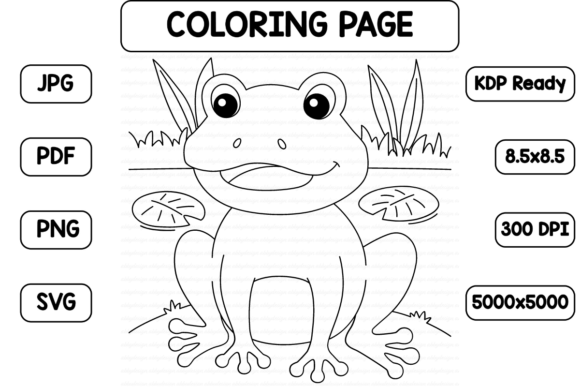
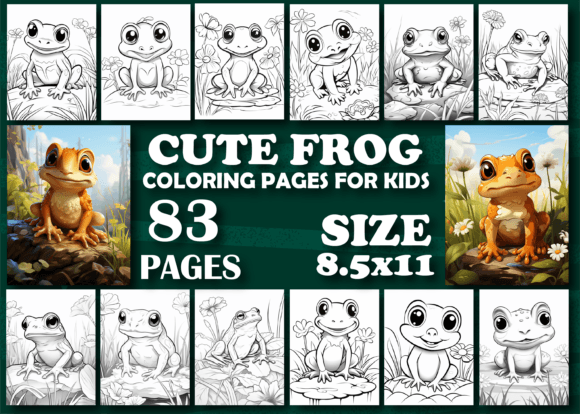
When you open the Cute Frog Coloring Pages for Kids book, the first thing you notice is the personality. These are not generic, stiff outlines. They are whimsical, rounded, and expressive illustrations designed to spark immediate connection with a child. The visual style leans heavily into a friendly, modern aesthetic. The lines are clean and bold, which is a critical design choice for the target age group. It ensures that coloring stays within the lines is a joyful success rather than a frustrating chore. The frogs themselves are portrayed in dynamic, playful poses—leaping, swimming, and resting—which gives the book a sense of narrative and movement.
For anyone in the creative field, this collection functions much like a curated set of design assets. The consistency across the thirty-plus pages is notable. Whether a designer is looking for a simple mascot for a local children's event or a pattern element for a party theme, the illustrations offer a cohesive visual identity. The style avoids overly complex shading or photorealism, opting instead for a flat, vector-friendly look. This makes the artwork highly adaptable. It feels contemporary without being trendy, ensuring it won't look dated in a year. The overall vibe is one of warmth and approachability, making it a versatile tool for anyone needing to communicate joy and innocence.
Strategic Applications for Branding and Marketing
While the primary audience is children, the utility of these illustrations extends into the professional sphere, particularly for those in branding and marketing. If you are a small business owner, such as a pediatric dentist, a family-friendly cafe, or a children's clothing line, finding the right brand identity can be challenging. Stock photography often feels impersonal, and high-end custom illustration is expensive. This coloring book offers a middle ground. The frog characters can serve as the foundation for a charming, approachable logo or mascot.
Consider the impact on packaging design. A local artisan soap maker targeting parents could use these frog motifs to create a "kids' collection" that stands out on the shelf. The illustrations are distinct enough to be recognizable but simple enough to scale down onto a small label. For web design, these assets are gold. They can be used as loading animations, favicon elements, or decorative icons that break up text-heavy pages. In social media graphics, a cute frog peeking out from behind a text block can significantly increase engagement rates. It adds a human, playful touch to digital communications, which is often missing in corporate social feeds.
Enhancing Editorial and Digital Projects
Publishers and content creators will find the Cute Frog Coloring Pages for Kids particularly useful for editorial design. In the world of blogging and digital content, visual hierarchy is everything. Readers skim. A well-placed illustration can anchor a section of text, guiding the reader's eye and breaking up "walls of words." If you run a parenting blog or an educational website, integrating these frog designs can soften the layout and make the content more digestible.
Furthermore, the "AI-generated" nature of these illustrations, noted for their high quality, represents a shift in how we source design assets. It allows for a volume of consistent imagery that was previously difficult to achieve. For a content creator, this means you can maintain a consistent aesthetic across a long-form article or a series of videos without worrying about licensing fees for every single image. The style is versatile enough to fit into various modern typography layouts. Imagine pairing these soft, rounded illustrations with a sharp, geometric sans serif font for a tech-startup's internal newsletter about "hopping to success." The contrast creates a memorable, engaging visual language.
Practical Design Execution and Pairing
Integrating these illustrations into professional work requires a thoughtful approach to font pairing and layout. Because the frogs have a soft, rounded character, they naturally harmonize with typography that shares those traits. A handwritten font or a script font with soft loops works well for headlines, evoking a sense of playfulness and personal touch. However, for body text or informational displays, readability is paramount. A clean serif font can provide a nice contrast, adding a touch of classic structure, while a highly legible sans serif font ensures the message is clear and modern.
When using these assets in logo design or commercial font projects, consider the negative space. The illustrations are detailed enough to be engaging but need room to breathe. Don't crowd them with busy patterns. Instead, use solid color blocks or clean white space to let the "Cute Frog" character pop. This is a standard principle in premium font and asset usage: the quality of the asset is best displayed when it isn't fighting for attention. For print materials, ensure the line weight of the illustrations matches the weight of your typography. A bold, heavy frog illustration paired with a delicate, thin script font might look disjointed. Aim for visual balance to maintain professionalism and consistency.
Licensing and Project Fit
Before deploying these assets in a large-scale campaign, it is crucial to understand the licensing. The book is marketed for kids, but the digital files offer broader potential. For entrepreneurs and marketers, verifying the rights for commercial use is a necessary step in the workflow. Assuming the license permits it, these illustrations are excellent for creating merchandise like stickers, t-shirts, or tote bags. The "coloring book" style appeals to a wide demographic, not just toddlers; adults often enjoy this aesthetic for its nostalgic, stress-relieving qualities.
Ultimately, the Cute Frog Coloring Pages for Kids is more than just a distraction for children. It is a library of creative font companions and visual elements. It offers a solution for designers seeking warmth, marketers needing engagement, and publishers looking for consistent, high-quality imagery. By treating these illustrations as serious design assets, you can elevate a project from standard to standout, proving that sometimes the best creative inspiration comes from the most playful places.