Creative Potted Flower Coloring Book: A Designer's Guide to Botanical Bliss
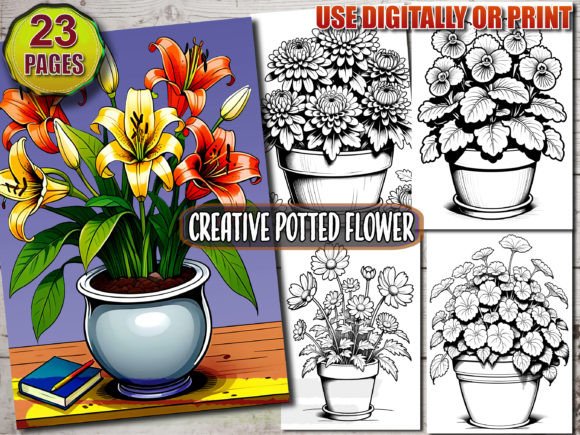
There’s a specific kind of focus that comes from working with your hands, a state of flow that digital screens often struggle to replicate. This is the space the Creative Potted Flower Coloring Book is designed to occupy. It’s not just a collection of outlines; it’s a curated botanical studio in paper form. For designers, marketers, and creative professionals constantly immersed in pixels and vectors, this resource offers a tactile reset. The pages feature intricate designs of potted flora—from elegant roses and cheerful daisies to cascading ivy—each waiting for your personal touch. It’s a practical tool for creative rejuvenation, packaged as a journey into botanical beauty.
Visual Character and Stylistic Personality
The core appeal of this coloring book lies in its balanced artistic style. The illustrations walk a fine line between intricate detail and approachable simplicity. You won’t find overwhelming, microscopic patterns here. Instead, each potted plant is rendered with clear, confident line work that invites color application. The personality is one of serene elegance. Think of it as a modern typography approach applied to illustration: clean lines with thoughtful spacing that create natural areas for shading, blending, and color blocking.
This style makes the Creative Potted Flower Coloring Book exceptionally versatile. The floral motifs are realistic enough to satisfy botanical enthusiasts but stylized enough to allow for creative interpretation. You could color a tulip with realistic gradients or apply a bold, flat palette inspired by contemporary graphic design. The visual weight is consistent across the 23 pages, ensuring a cohesive experience whether you’re working on a single page or completing the entire collection. This consistency is a hallmark of professional design assets, making it more than a casual hobby item.
Practical Applications for Creative Professionals
While relaxation is a primary benefit, the utility of this book extends into professional workflows. For a brand strategist or logo designer, the act of coloring can be a low-stakes method for exploring color theory and palette development. The organic shapes of the flowers provide excellent practice for understanding flow, balance, and visual hierarchy outside of rigid typographic grids. It’s a hands-on workshop for color psychology.
Here’s how different professionals can integrate it:
- Content Creators & Bloggers: Use finished pages as unique, personal social media graphics or blog post illustrations. A colored page makes for engaging, authentic content that stands out from stock imagery.
- Marketers & Publishers: The book itself, or individual pages, can be a value-added component in wellness kits, client gifts, or magazine inserts. It aligns perfectly with themes of mindfulness, growth, and creativity.
- Designers & Entrepreneurs: Treat it as a mindfulness exercise to combat creative block. The focused, repetitive action can help reset your visual thinking before tackling a complex web design or packaging design project.
The commercial license included is a significant advantage. It opens doors for small business owners to create and sell finished colored artwork, use pages as part of their own branded merchandise, or incorporate the designs into larger creative projects. This transforms it from a personal pastime into a legitimate commercial font and asset resource for the visual arts.
Integrating Botanical Art into Brand Identity
The aesthetic of the Creative Potted Flower Coloring Book speaks a universal language of growth, care, and natural beauty. This makes its visual output incredibly potent for brand identity work. Consider a boutique, a florist, a wellness coach, or a eco-friendly product line. The finished colored pages can be scanned and digitized to create one-of-a-kind:
- Logo Design Elements: A single, beautifully colored flower can become the central icon for a brand, offering a handmade, artisanal quality that a purely digital illustration might lack.
- Editorial Design Assets: Use them as background textures, chapter dividers, or feature images in lookbooks, menus, or program guides.
- Packaging Design: Individual floral motifs can be arranged into patterns for wrapping paper, box liners, or label accents, creating a cohesive and charming unboxing experience.
The key is in the execution. By controlling the color palette, you ensure the art aligns perfectly with your brand’s existing colors, creating a seamless and professional visual hierarchy. This level of customization is a powerful tool for audience engagement, as it communicates attention to detail and a commitment to a unique aesthetic.
Maximizing Your Creative Session
To get the most out of this premium font and illustration resource, approach it with intention. First, choose your tools wisely. The paper weight is designed to handle colored pencils, markers, and even light watercolor washes without significant bleed-through. For precise work, a set of high-quality, pigment-based colored pencils is ideal. For bold, uniform coverage, alcohol-based markers excel.
Second, think about font pairing in a broader sense. If you plan to digitize your finished pages, consider how the organic, hand-colored art will interact with type. A clean sans serif font like Helvetica or Futura can provide a modern counterbalance, while a delicate script font can enhance the romantic, botanical feel. The goal is consistency in mood. A vibrant, pop-art colored page might pair with a bold, geometric typeface, whereas a page rendered in soft pastels would harmonize with a light, elegant serif.
Finally, evaluate the project fit. This book is perfect for projects requiring a human touch, warmth, and a connection to nature. It might be less suited for a tech startup or a brand built on sharp, industrial minimalism. Its strength lies in its ability to convey care, patience, and organic beauty—qualities that resonate deeply in today’s digital landscape.
In essence, the Creative Potted Flower Coloring Book is a multifaceted tool. It’s a meditative practice, a color theory lab, a source of unique design assets, and a gateway to creating distinctive brand collateral. By engaging with it, you’re not just filling in lines; you’re cultivating a personal visual resource that can bloom across countless creative and commercial applications.