Transforming Self-Care into a Streamlined Business Asset
In the crowded digital marketplace, standing out requires more than just a good idea; it requires professional execution. For many small business owners, the gap between a concept for a wellness product and a polished, sellable item is often filled with hours of frustrating design work. This is where the strategic advantage of a high-quality Self-Care Planner PLR Canva Template comes into play. It serves as a foundational blueprint, removing the technical barriers of design and allowing you to focus on strategy and brand building.
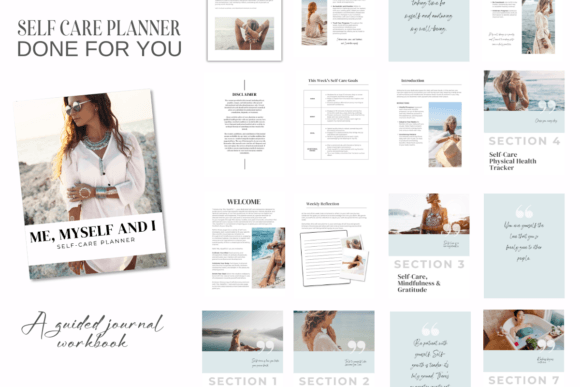
The true value of this specific Private Label Rights asset lies in its adaptability within Canva. Unlike static image files, the template provides a dynamic layer of editable components. You are not simply purchasing a PDF to resell; you are acquiring a system. The visual aesthetic of a standard self-care planner usually leans toward modern typography and clean layouts, utilizing a mix of sans serif and script fonts to evoke a sense of calm and clarity. The visual personality is often soft, inviting, and structured, striking a balance between professional utility and emotional comfort. This makes it an ideal starting point for brands in the wellness, lifestyle, or productivity niches.
Customization: Beyond Simple Text Replacement
When you open the Canva link, you unlock a suite of design possibilities that go far beyond swapping out a few words. A common oversight with PLR products is the failure to fully integrate them into an existing brand identity. To maximize the impact of this template, you should treat it as a core piece of your editorial design portfolio.
Start by addressing the typography. If the template utilizes a handwritten font for headers, consider whether that aligns with your brand voice. If your brand is more corporate and structured, swapping that for a bold display font or a clean serif font can instantly shift the perception from "crafty" to "authoritative." Canva allows you to upload your own brand fonts, ensuring that the planner feels like a native extension of your business rather than a generic download.
Color psychology plays a significant role in self-care products. While the template likely comes in pastels or earth tones, you should adjust the hex codes to match your specific palette. This consistency is vital for brand recognition. When a customer downloads your planner, it should feel familiar if they have already interacted with your social media graphics or web design. This cohesion builds trust and professionalism.
Strategic Deployment: Lead Magnets and Digital Products
The versatility of this asset allows it to function effectively in multiple marketing funnels. For entrepreneurs looking to grow their email lists, a modified version of the planner makes an exceptional lead magnet. By offering a "7-Day Reset" or a "Monthly Wellness Check-in" derived from the main template, you provide immediate value to potential customers. This demonstrates your expertise without requiring them to make an immediate financial commitment.
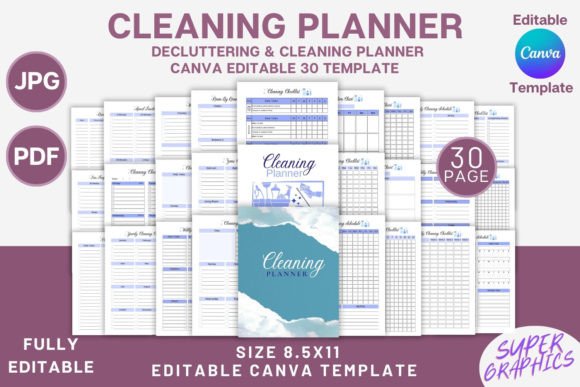
For those in the digital product space, the commercial license is a game-changer. You can flatten the PDF and sell it directly on platforms like Etsy, Gumroad, or your own Shopify store. However, to succeed in a competitive market, you must consider the visual hierarchy of the pages. Ensure that the most important sections—such as habit trackers or mood journals—stand out through the use of spacing and typographic weight. A well-designed planner guides the user’s eye naturally, reducing friction and increasing the usability of the product.
Refining the Details for Professional Output
Before exporting your final product, it is essential to review the design assets for readability. A common pitfall in planner design is using overly decorative script fonts for body text or instructions. While they look beautiful, they can be difficult to read at smaller sizes. Stick to a legible sans serif font for daily entries and instructions, reserving the more expressive typefaces for headers and titles. This font pairing strategy ensures the planner is functional, not just decorative.
Furthermore, pay attention to the elements included in the Canva template. You can modify graphics, swap out illustrations, or add your own logo. If you plan to use this for packaging design or as a physical print product, ensure your margins are set correctly and your images are high-resolution. The goal is to create a premium font experience and a high-quality tactile feel, even in a digital format.
By leveraging the Self-Care Planner PLR Canva Template, you bypass the steep learning curve of logo design and complex layout software. You are provided with a robust framework that, with thoughtful customization, can elevate your brand’s presence, streamline your content creation process, and provide genuine utility to your audience.